Fotona 4D Laser Facial (TimeWalker) in Encino, CA for Subtle, Natural-Looking Results
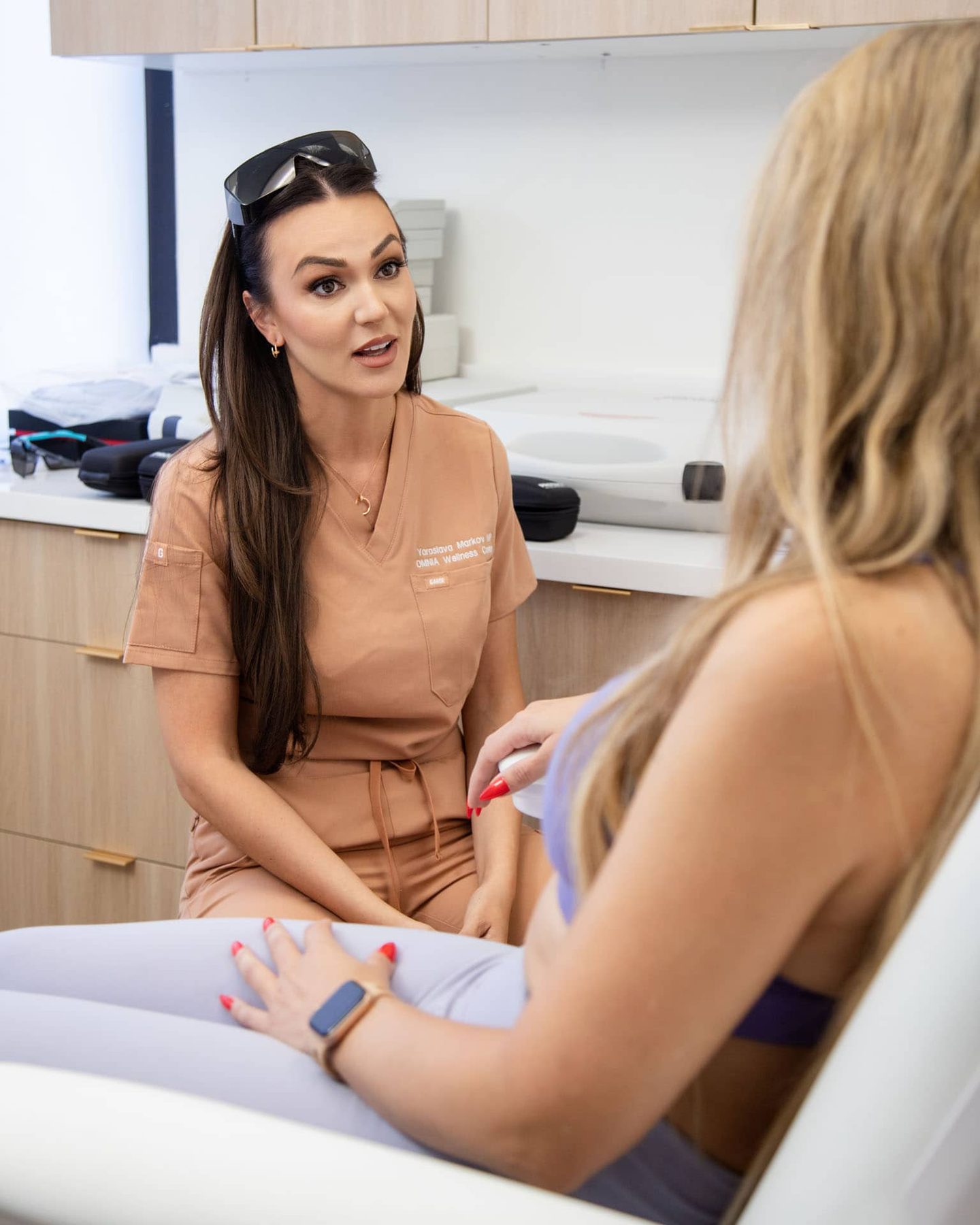
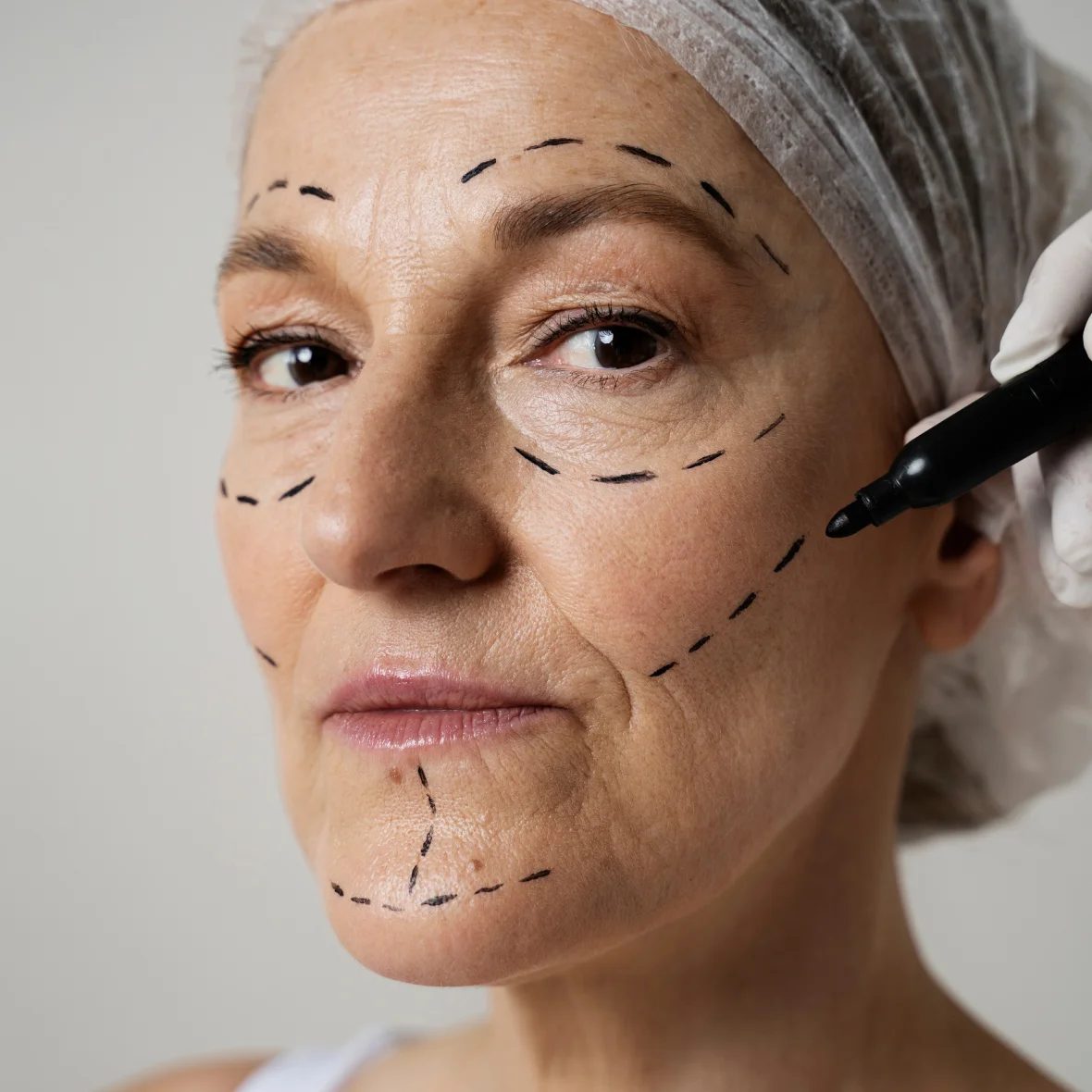
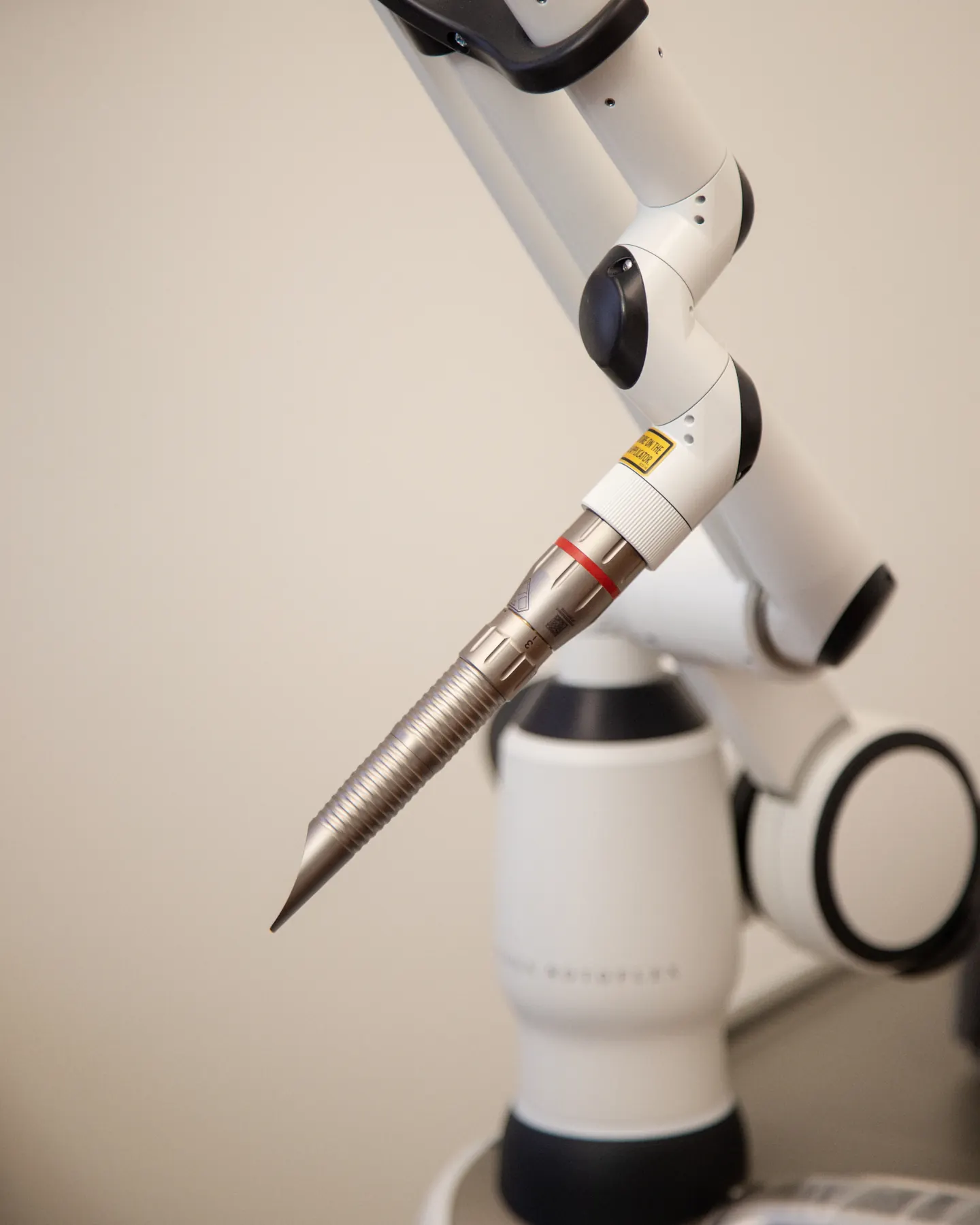
A good facial rejuvenation treatment should not make someone look different. It should make them look rested, fresher, a little tighter through the jawline, smoother around the mouth, brighter through the cheeks. That is the appeal of the Fotona 4D Laser Facial, also called TimeWalker in many practices. It is designed for people who want visible improvement without the drawn, overfilled, or overtreated look that so many patients quietly worry about.
For patients searching for Fotona 4D Laser Facial (TimeWalker) Encino, CA, the draw is often the same. They want something more powerful than a basic facial and more natural than aggressive cosmetic work. In a place like Encino, where people are active, social, and often camera-aware, that middle ground matters. Patients want treatments that fit into real life. They want skin quality to improve, laxity to soften, and fine lines to look less etched, while still looking like themselves at school pickup, in the office, or under unforgiving Southern California light.
What makes this treatment stand out is not a single dramatic step. It is the layering. Fotona 4D combines several laser modes in one session, approaching aging from different angles, including the inside of the mouth, the skin surface, and the deeper support structures that influence tone and texture. When done well, it can give a face that quietly refreshed look that people notice without being able to name.
Why patients are drawn to Fotona 4D
A lot of cosmetic treatments promise “non-surgical tightening,” but the phrase can mean almost anything. Some devices mainly target pigment. Some mainly create exfoliation. Some create swelling that looks promising for a few days, then fades quickly. Fotona 4D earns its reputation because it is not trying to do only one thing.
The treatment typically combines four distinct steps using Er:YAG and Nd:YAG laser technology. Each step addresses a different part of facial aging, from texture and pores to mild laxity and perioral lines. One of the most talked-about parts is the intraoral portion, where the laser is used inside the mouth to stimulate collagen and support the area around the lips and nasolabial folds from within. Patients often find that concept surprising at first, but it makes sense anatomically. Aging is not only a surface issue.
In practice, this means the treatment can be a strong option for people who are starting to notice early to moderate changes, especially when those changes are diffuse. They are not just bothered by one wrinkle. They feel that the whole face looks a bit tired, a bit less firm, a bit less even. They may not be ready for surgery, and they may not want the maintenance cycle that comes with frequent injectables alone.
That does not mean Fotona 4D replaces everything else. It does not. It works best when expectations are grounded. If someone has significant jowling, heavy eyelid hooding, or marked skin redundancy, laser treatment can improve the quality of the skin, but it will not duplicate a facelift or blepharoplasty. Good providers say that plainly.
What “subtle and natural-looking” actually means
Patients use the word “natural” constantly, but they do not always mean the same thing. In the treatment room, natural usually comes down to three qualities.
First, the face still moves normally. There is no frozen forehead, no stiff smile, no sense that a feature has been artificially enlarged. Second, the improvements fit the patient’s age and anatomy. Skin can look healthier and firmer without trying to erase every line. Third, the change develops gradually enough that it blends into a person’s normal appearance. Friends may say they look well rested or ask what skincare they are using, which is often exactly the response patients want.
Fotona 4D lends itself to that style because results tend to build over time. There may be some immediate glow and mild tightening, but the more meaningful changes are typically collagen-driven and emerge gradually over several weeks to months. That progression tends to Fotona 4D Laser Facial (TimeWalker) Encino, CA look believable. It does not have the abrupt quality that can happen after certain interventions.
In Encino, that subtlety matters. Many patients want to look polished but not “done.” They are often balancing professional visibility, social commitments, and family life. They do not want a treatment that forces a long retreat from public view, and they usually want a result that reads as healthy, not cosmetic.
How the treatment works in real clinical terms
The technology sounds complex, but the practical effect is straightforward. Fotona 4D is usually performed in stages, with each stage targeting a different tissue depth or concern. The exact protocol can vary by provider and by patient need, but the philosophy stays consistent: stimulate remodeling, improve circulation and tone, refine the surface, and support collagen production.
The intraoral step is one of the signatures of the treatment. By working inside the mouth, the laser can heat the tissue in a controlled way and encourage tightening in areas that contribute to upper lip lines and fold formation. Patients often appreciate that this approach addresses a difficult zone without relying only on filler.
Another stage focuses on deeper heating from the outside, often aiming to tighten and contour. A lighter resurfacing stage may then refine texture, pores, and fine lines. The final polish can leave skin looking smoother and brighter. When all of that is done thoughtfully, the result is more dimensional than what people usually get from a one-note treatment.
A detail worth mentioning is comfort. Most patients tolerate the procedure reasonably well, but it is not identical for everyone. The intraoral portion feels strange more than painful for some. Others find the deeper heating phases warm and prickly. Topical numbing may be used depending on the settings and the provider’s approach. Someone with a very low pain threshold should discuss that honestly at consultation rather than trying to tough it out on the day of treatment.
Who tends to be a good candidate
The ideal candidate is not simply someone who wants younger-looking skin. It is someone whose concerns match what the device does well.
Patients in their thirties and forties often come in with early collagen loss, mild laxity, softening around the jawline, beginning lines around the mouth, or texture changes that makeup no longer hides easily. They are frequently among the happiest with Fotona 4D because the treatment can intercept these changes before they become advanced.
Patients in their fifties and sixties may also benefit, especially if their main goal is better skin quality and moderate tightening without surgery. The key is that they understand the ceiling of the treatment. A laser can improve, soften, and refresh. It cannot remove substantial excess skin.
Skin type matters too. A qualified provider should assess whether the patient’s tone, tanning habits, pigment history, and sensitivity profile make them a good fit for the settings being considered. This is especially important in sunny climates. A patient who spends every weekend hiking or playing Fotona 4D Laser Facial (TimeWalker) Encino, CA tennis and shows up freshly tanned may need to postpone treatment for safety.
What the appointment usually feels like
Most first-time patients want practical information more than technical jargon. How long will it take. Will I be swollen. Can I go out that night. Will I peel.
The answers depend on intensity and customization, but many sessions fall into the category of minimal to moderate downtime rather than true social disappearance. The skin may look pink or mildly flushed right after treatment. Some people feel warm for a few hours, almost like a light sun exposure. If a resurfacing component is stronger, there can be a sandpapery texture, dryness, or light flaking over the next several days.
The sensation during treatment varies by stage. The deeper heating can feel zippy and warm. The surface polishing portion is usually more familiar to people who have had laser work before. The inside-the-mouth step is unusual but generally brief. Most patients are pleasantly surprised that the treatment is manageable.
One point that often gets overlooked is post-treatment planning. If you have a wedding, photo session, speaking engagement, or reunion, schedule well ahead of it. Even low-downtime treatments can produce temporary puffiness or redness. In real life, that matters more than the brochure language.
Downtime, recovery, and realistic aftercare
People hear “non-surgical” and assume no recovery. That is rarely true. It may be a lighter recovery than surgery, but it is still recovery.
The first 24 to 72 hours usually center on soothing the skin and protecting the barrier. Gentle cleansing, hydration, and rigorous sun avoidance matter. Harsh actives, exfoliants, and “trying all the serums” is a bad strategy right after laser treatment. This is one of those times when boring skincare wins.
A careful provider will usually emphasize a few basics:
- Keep the skin clean, moisturized, and out of direct sun
- Pause retinoids, acids, and scrubs until cleared to restart
- Avoid intense heat, heavy exercise, and steam for the first day or two if advised
- Use broad-spectrum sunscreen consistently once the skin tolerates it
- Call the office if swelling, blistering, or irritation seems outside the expected range
Patients who follow aftercare tend to recover more smoothly and hold onto their results better. The opposite is also true. A weekend in the sun right after treatment can undo progress quickly and increase the risk of complications, especially pigment issues.
How many sessions are usually needed
This is one of the most important conversations to have before treatment starts, because satisfaction often comes down to whether expectations match the treatment plan.
Some patients do a single Fotona 4D session before an event or season change and are happy with the refresh. Others benefit more from a series, often spaced several weeks apart, especially when the goals include collagen remodeling and visible textural change. Maintenance treatments may then be recommended depending on age, skin quality, sun exposure, and how aggressively the patient wants to preserve the result.
There is no single honest number that applies to everyone. A 38-year-old with mild laxity and decent skin habits may respond beautifully with fewer sessions than a 62-year-old with chronic sun damage and more advanced tissue descent. Providers who promise the same response for every face are usually oversimplifying.
How it compares with injectables and other rejuvenation options
One reason patients search for Fotona 4D Laser Facial (TimeWalker) Encino, CA is that they are trying to avoid overreliance on filler. That concern is understandable. Filler has a place, but it is often used to solve problems that are partly about skin quality, not just volume. When poor texture, crepiness, enlarged pores, and mild laxity are the main complaints, adding volume alone can miss the mark.
Botulinum toxin and filler can still complement Fotona 4D beautifully when used conservatively. Neuromodulator softens movement-based lines. Filler can restore structure where true volume loss exists. Fotona 4D improves the envelope, meaning the skin itself. That combination can be powerful when each tool is chosen for the right reason.
Radiofrequency microneedling, ultrasound tightening, chemical peels, and other laser platforms also enter the conversation. None is universally “best.” Some are stronger for scars. Some are better for pigment. Some are better for deeper tightening. Fotona 4D sits in a useful middle space for patients who want multilayered rejuvenation with relatively modest downtime and a natural finish.
A practical way to think about it is this:
| treatment | strongest for | trade-off | |---|---|---| | Fotona 4D / TimeWalker | overall refresh, mild to moderate tightening, texture, perioral area | usually requires a plan, not magic in one pass | | filler | volume replacement, contour support | can look heavy if overused | | botulinum toxin | dynamic lines from facial movement | does not improve texture or laxity | | deeper resurfacing lasers | more dramatic texture change | more downtime | | surgery | advanced laxity and excess skin | greatest recovery and commitment |
That kind of comparison usually helps patients understand where their goals fit. Someone can want natural results and still need more than one modality. Natural does not always mean minimal. It means appropriate.
Why provider judgment matters so much
Devices get most of the marketing attention, but outcomes often hinge on the clinician far more than the machine. Settings matter. Sequence matters. Patient selection matters. Knowing when not to treat matters just as much.
A strong provider will examine skin thickness, dehydration, elasticity, pigment tendency, medical history, and lifestyle habits. They will ask whether the patient heals well, whether they are prone to cold sores, whether they tan easily, whether they are using retinoids, whether they have a big event coming up. None of that is small talk. It changes how safely and effectively treatment can be done.
This is especially relevant in a market like Encino, where patients may have access to many aesthetic options and may come in already well informed, or partially informed, from social media. The best consultations often involve gentle myth correction. No treatment is downtime-free for everyone. No device replaces every other category of care. And subtle results still require strategy.
The role of skin care after laser treatment
The most satisfying laser results usually happen in patients who understand that treatment and daily care work together. Laser can jump-start change, but the skin still lives in the real world afterward. Sun, pollution, stress, sleep quality, hormones, and routine product choices continue to shape the result.
A sensible regimen after healing often includes sunscreen, antioxidant support, moisturizer that protects the barrier, and one or two evidence-based actives that the skin tolerates well. Many patients overestimate how complicated their routine needs to be. They collect products, layer too much, and create chronic irritation that makes the skin look worse. After a treatment like Fotona 4D, simpler often performs better.
One pattern that comes up often is the patient who spends significantly on procedures but treats SPF as optional. In Southern California, that is a fast way to shorten the life of any result. The issue is not only burning. It is the constant low-grade photoaging that quietly breaks down collagen again.
What patients often notice first
When the treatment works well, the earliest compliments are usually not about wrinkles. People tend to mention that their skin looks smoother, brighter, less tired, or somehow more even. Makeup sits better. The face reflects light differently. The mouth area looks less crinkled, especially on animation. Then, over time, patients may notice the jawline feels a bit cleaner and the skin less slack.
That order matters because it reflects what subtle rejuvenation looks like in real life. Dramatic before-and-after expectations can blind patients to meaningful but nuanced change. Many of the best laser outcomes are cumulative. At three months, the face simply looks more put together than it did before. It does not announce itself.
Questions worth asking at a consultation in Encino
A consultation should leave a patient with more clarity, not more confusion. If someone is considering Fotona 4D Laser Facial (TimeWalker) Encino, CA, the most useful questions tend to be practical and individualized rather than generic.
Ask how the provider would tailor the settings to your skin type and concerns. Ask what kind of downtime they actually see in patients like you, not just what is possible in theory. Ask whether they think your goals are best served by Fotona 4D alone or by combining it with another treatment. Ask how many sessions they expect you may need before judging the result. Those questions reveal experience quickly.
Price matters too, of course, but value in aesthetics is rarely about the cheapest session. It is about choosing the right treatment plan, performed conservatively and skillfully, with honest communication about what can and cannot change.
The bottom line for natural-looking rejuvenation
The reason Fotona 4D has staying power is simple. It fits what many patients actually want. Not a new face. Not an exaggerated contour. Not a long recovery. They want skin that looks healthier, firmer, and more refined, with results that build in a believable way.
For the right candidate, Fotona 4D Laser Facial (TimeWalker) Encino, CA can be an excellent option when the goal is subtle rejuvenation with visible polish. It treats more than one layer of aging, offers flexibility across concerns, and tends to produce the kind of improvement that looks elegant rather than obvious.
That said, the treatment is only as good as the match between the patient, the plan, and the provider. The best outcomes happen when the consultation is honest, the expectations are realistic, and the approach respects the face instead of trying to overpower it. Natural-looking results are rarely accidental. They come from restraint, technique, and a clear understanding of what truly makes someone look refreshed.
OMNIA Wellness Center
16430 Ventura Blvd Ste 207, Encino, CA 91436
Phone: +1 818-386-8511
FAQ About Fotona 4D Laser Facial (TimeWalker) Encino, CA
What is a Fotona laser good for?
Fotona lasers support several different aesthetic protocols. The Fotona 4D facial uses two wavelengths and four treatment modes to address concerns such as fine lines, skin texture, and mild laxity. OMNIA Wellness Center offers the TimeWalker facial with an individual consultation. Suitability and likely improvement depend on the person's skin and goals; results are not guaranteed, and this treatment does not reproduce a surgical facelift.
How much does a Fotona laser treatment cost?
The cost depends on the treatment protocol, areas treated, number of sessions, and provider's assessment. Ask OMNIA Wellness Center for a current written quote that explains what is included, whether follow-up is included, and any proposed package terms. An individualized estimate is more useful than assuming that one advertised price applies to every facial treatment.
How much downtime is there after a Fotona laser procedure?
Recovery varies with the specific protocol and intensity. Fotona describes its 4D facial as having little to no downtime, but temporary redness or sensitivity can occur, and a stronger surface treatment can require more recovery. Ask the treating clinician what to expect from the planned settings, how to care for the skin afterward, and when to contact the clinic with concerns.